EWG’s Food Scores

Browse Food Categories Food Insights & Stories How Food Scores Works

On the go? Download our Mobile App

Score

Slimfast Creamy Chocolate Mousse DIABETIC WEIGHT LOSS MEAL BAR

EWG assumes no responsibility for the accuracy of images presented.

Email
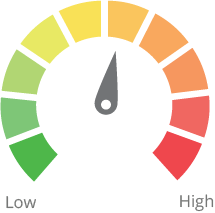
Score Lower scores accompany better foods.
Product Image
Image source: Kwikee
Content loading...
Lower scores accompany better foods.
How it compares to other bars - meal replacement bars? (Click to Learn)
How it compares
to other bars - meal replacement bars
Contact Us Contact Food Scores
learn more

EWG Overall Score Breakdown

The product score is based on weighted scores for nutrition, ingredient and processing concerns. Generally, nutrition counts most, ingredient concerns next and degree of processing least. The weighted scores are added together to determine the final score. Read more about scores here.

EWG Overall Score Breakdown


EWG scored on three factors: nutrition, ingredient concerns, and the degree of processing. Read the full scoring methodology.

Score
Lower concern
Higher concern
Lower concern
Higher concern
1
10

Read our full methodology

Nutrition Concern Details

Level

Considers calories, saturated fat, trans fat, sugar, sodium, protein, fiber and fruit, vegetable and nut content to differentiate between healthful and less healthful foods. For more information on nutrition concerns, read our full methodology.

Contains ingredients known to be a source of unhealthy artificial trans fats: Hydrogenated Vegetable Oil [read more]

Contains low calorie sweeteners: Erythritol and Stevia Extract [read more]

Contains a high level of saturated fat [read more]

Contains an amount of added Zinc considered high by the FDA [read more]

Per gram, high in protein [read more]

This product contains added sugar ingredients: Glycerin or Glycerol and Dextrose [read more]

Contains 1 added fiber ingredient(s): Inulin [read more]

Contains 1 added fiber ingredient(s): Inulin

This product contains added fiber. Added fiber ingredients can be extracted from industrial byproducts like wood pulp or plant starches, made into a powder and added back into highly processed foods to increase their fiber content and appearance of healthfulness. While there is a long history of studies that confirm the beneficial effects of a high fiber diet rich in fruit, vegetables, beans and whole grains, there is much less data on the potential health benefits of these added fibers and whether the health benefits are preserved once they have been extracted from their original sources (IOM 2001; Jones 2012; Turner and Lupton 2011).

The nutrition factors used for scoring Slimfast Creamy Chocolate Mousse DIABETIC WEIGHT LOSS MEAL BAR
Positive factors
Fruit, vegetable, bean or nut content
Protein content
Fiber content
Omega-3 fatty acids
Negative factors
Calorie density
Sugar/low-calorie sweetener content
Sodium content
Saturated fat content
Trans fat content

Ingredient Concern Details

Level

Considers food additives, pesticides, hormones, antibiotics and contaminants like mercury and BPA, which can affect human health and the environment. For more information on ingredient concerns, read methodology.

This product is not certified organic [read more]

Ingredient(s) likely derived from antibiotic-treated animals [read more]

This product has 5 ingredients with concerns:

Processing Concern Details

Level

Estimates how much the food has been processed. Considers many factors, chief among them, modification of individual ingredients from whole foods and number of artificial ingredients. For more information on processing concerns, read our full methodology.

Product has been classified as having high processing concerns

Products with moderate and high processing concerns generally have more artificial ingredients, more ingredients that have been significantly modified from whole foods, and more ingredients overall.

EWG's Top Findings

Product has been classified as an unhealthy ultra-processed food [read more]

Product has been classified as an unhealthy ult...

EWG is flagging unhealthy ultra-processed foods due to studies linking consumption of these foods to a higher risk of health problems, including heart disease, obesity and Type 2 diabetes, and mental health issues such as depression. EWG defines an unhealthy ultra-processed food as any product with a nutrition concern score greater than or equal to 4, a degree of processing score greater than or equal to 3 and at least one ingredient from the NOVA 4 ultra-processed category. Learn more about our scoring: https://www.ewg.org/foodscores/content/methodology

This product is not certified organic [read more]

This product is not certified organic

Products bearing the USDA certified organic seal must contain at least 95 percent organic ingredient, and must be produced without the use of synthetic pesticides and fertilizers and free of genetically engineered ingredients.

Contains food additives of moderate concern

Ingredient(s) likely derived from antibiotic-treated animals [read more]

Ingredient(s) likely derived from antibiotic-tr...

One or more ingredients in this product derived from animals likely treated with antibiotics. Many animals are fed low doses of antibiotics throughout their lifespan to speed growth and prevent diseases. These non-essential uses promote antibiotic resistance, posing a serious risk to human health.

Contains ingredients known to be a source of unhealthy artificial trans fats: Hydrogenated Vegetable Oil [read more]

Contains ingredients known to be a source of un...

Artificial trans fats are produced when vegetable oils are subject to extreme temperatures or pressures to solidify the fat and increase shelf life, flavor stability and palatability (FDA 2013). These modifications benefit the manufacturer but are detrimental to the consumer's health. Health experts at the Institute of Medicine recommend "that trans fatty acid consumption be as low as possible" (IOM 2005). The CDC estimates that eliminating artificial trans fats could prevent up to 20,000 heart attacks and up to 7,000 deaths each year (Dietz 2012). In 2013, the FDA made a tentative determination that trans fats from partially hydrogenated oils (the primary dietary source) should no longer be generally recognized as safe (FDA 2013). Some trans fats do occur naturally in meat and dairy products. These natural trans fats may be of lower concern; some studies have found them to be beneficial, while others have found their effects to be neutral (Chardigny 2008; Mozaffarian 2009; Wang 2013).

Contains the non-specific ingredient "flavor" [read more]

Contains the non-specific ingredient "flavor"

Added "flavors" are secret and often complex mixtures of chemicals that modify and manipulate the taste and smell of food. The lack of disclosure is a public right to know issue and especially concerning to people with unusual food allergies or on restricted diets.

Contains low calorie sweeteners: Erythritol and Stevia Extract [read more]

Contains low calorie sweeteners: Erythritol and...

Low calorie sweeteners were designed to impart a sweet taste without the calories or glucose effects of sugar. However there is insufficient evidence that they reduce overall calorie intake, aid with weight loss or improve overall health (Gardner 2014; Shankar 2013). Instead low calorie sweeteners may condition people to crave sweet foods (Mattes 2009) and therefore eat fewer servings of healthy foods (IOM 2007). The IOM recommends that schools not serve diet foods or beverages to young children (IOM 2007). In the meantime EWG concludes that people should limit their consumption of sugar and low calorie sweeteners, advice echoed by other nutrition experts (Swithers 2013; Shankar 2013).

Contains a high level of saturated fat [read more]

Contains a high level of saturated fat

Saturated fat is not an essential nutrient and with increasing intakes there is a increased risk of coronary heart disease (IOM 2005a; USDA and DHHS 2010). For this reason it has long been known as a "bad" fat that raises the "bad" cholesterol, LDL. Numerous authoritative bodies support the recommendation to limit saturated fat to 10 percent of calories -- equivalent to a reasonable limit of 14 slices of bacon's worth of saturated fat a day (WHO 2002; USDA and DHHS 2010). A 2012 review by the Cochrane Collaboration, an independent non-profit organization, found that reducing or replacing saturated fat with other healthy fats reduced the risk of cardiovascular events by 14 percent (Hooper 2012). Other recent reviews have found that there in no evidence of a benefit from reducing saturated fat (Chowdhury 2014; Schwingshackl & Hoffmann 2014). While it's clear that we still have a lot to learn about how fats behave and contribute to disease, the evidence supporting a moderate level of saturated fat consumption remains strong and consistent.

Contains an amount of added Zinc considered high by the FDA [read more]

Contains an amount of added Zinc considered hig...

Fresh fruits and vegetables and whole foods are the best source of vitamins and minerals. Over-fortification of foods can increase the risk of excessive intake of vitamins and minerals and pose healths problem for children 8 and younger. Read our 2014 report on fortification in cereal and snack bars to find healthier options, http://www.ewg.org/research/how-much-is-too-much.

Per gram, high in protein [read more]

Per gram, high in protein

Protein is a source of amino acids that are required for the proper growth, maintenance and repair of tissues. It also provides the building blocks for important enzymes and hormones. Protein provides calories and if eaten in excess will be stored as fat. Protein is found in high amounts in beans, nuts, eggs, seafood and meat. Protein is essential to health, but eating too much also carries an environmental and health cost. Learn more: http://www.ewg.org/meateatersguide/

This product contains added sugar ingredients: Glycerin or Glycerol and Dextrose [read more]

This product contains added sugar ingredients: ...

Eating too much of any type of sugar can lead to tooth decay. Added sugars like high fructose corn syrup, honey, sugar and dextrose are more concerning than natural sugars like raisins because they can lead to obesity by adding calories without being accompanied by important nutrients like potassium, vitamin C or fiber. Americans average 22 teaspoons of added sugar a day (NCI 2010; USDA and DHHS 2010). The World Health Organization recommends no more than 6 to 12 teaspoons of added sugar a day for adults, children should eat even less (WHO 2002; WHO 2014).

Product has been classified as having high processing concerns

Ingredient List

From the Package

MICT & BUTTER BLEND [MCT OIL BLEND (PALM, COCONUT), COCOA BUTTER, SUNFLOWER SEED BUTTER, ALMOND BUTTER], SOLUBLE FIBER |ISOMALTO-OLIGOSACCHARIDE FROM TAPIOCAL, PROTEIN BLEND (WHEY PROTEIN ISOLATE, MILK PROTEIN ISOLATE), UNSWEETENED CHOCOLATE, TAPIOCA SYRUP CACAO NIBS, INULIN, ERYTHRITOL, NATURAL FLAVOR, GLYCERIN, SUNFLOWER LECITHIN, COCOA POWDER (PROCESSED WITH ALKALI), SEA SALT, STEVIA EXTRACT, NATURAL VANILLA EXTRACT, CULTURED DEXTROSE, MIXED TOCOPHEROLS. VITAMINS AND MINERALS; MAGNESIUM PHOSPHATE, VITAMIN E ACETATE, ASCORBIC ACID, NIACINAMIDE, BIOTIN, FERRIC ORTHOPHOSPHATE, ZINC OXIDE, PANTOTHENIC ACID, MANGANESE SULFATE, POTASSIUM IODIDE, VITAMIN A (RETINYL PALMITATE), CHROMIUM CHLORIDE, PYRIDOXINE HYDROCHLORIDE, PHYTONADIONE (VITAMIN K1), SODIUM MOLYBDATE, CHOLECALCIFEROL (VITAMIN D3), THIAMIN MONONITRATE, RIBOFLAVIN, COPPER SULFATE SODIUM SELENITE, FOLIC ACID, CYANOCOBALAMIN (VITAMIN B12).

*Older Product

Products remain in the database for two years after their label information is recorded in stores. A product with label information last recorded more than a year ago is marked with an * identifying it as an older product.

*Discontinued Product

Products remain in the Database for two years after their label information is recorded in stores, even when they have been discontinued (products may remain in stores and pantries long past the date they cease to be manufactured). EWG marks a product it is aware has been discontinued with a banner identifying it as such.

Product Images

Please note that EWG obtains the displayed images of products from third parties and that the product's manufacturer or packager may change the product's packaging at any point in time. Therefore, EWG assumes no responsibility for the accuracy of images presented.

Selected Certifications and Seals

PETA Cruelty-free Companies

Other Information

This product contains the following ingredient(s) that may be genetically engineered or derived from GE crops: Oil Blend, Erythritol, Dextrose, Hydrogenated Vegetable Oil, Soybean, Cottonseed, Corn, and Canola [read more]

This product contains the following ingredient(...

Scientists have not determined whether GE food poses risks to human health. Still, consumers have many good reasons to avoid eating genetically engineered ingredients, including limited safety studies, the development of "superweeds" and increased pesticide use. For more information on the topic visit: http://www.ewg.org/research/shoppers-guide-to-avoiding-ge-food Note: The presence or absence of genetically engineered ingredients or ingredients derived from GE crops does not affect a product's overall score.

Contains ingredients derived from milk, tree nut or soybean - these are considered major food allergens according to the FDA [read more]

Contains ingredients derived from milk, tree nu...

While over 160 food ingredients may cause allergic reactions current Food and Drug Administration (FDA) regulations stipulate that 8 major food allergens must be labeled on products. These allergens include; milk, eggs, fish, crustacean shellfish, tree nuts, peanuts, wheat and soybeans. Note: The presence of potential allergens does not affect the overall product score.

Nutrition Facts

5.0 servings per container

Serving Size

1 Bar (42 g)

Amount Per 1.48 oz
Calories
190

% Daily Value (based on a 2,000 calorie diet and adult bodyweight)
Update the values for someone:

QUICK FACTS:

22.0 22.0 % Total Fat 14 g
5.0 5.0 % Total Carbs 15 g
Sugars 3 g
11.0 11.0 % Protein 7 g

AVOID TOO MUCH:

40.0 40.0 % Saturated Fat 8 g
Trans Fat 0.0g
Polyunsaturated Fat 0 g
Monounsaturated Fat 0 g
2.0 2.0 % Cholesterol 5 mg
4.0 4.0 % Sodium 100 mg
Added Sugar Ingredients: Glycerin or Glycerol and Dextrose

NUTRIENTS:

% Dietary Fiber 9 g
45.0 45.0 % Vitamin D
25.0 25.0 % Vitamin A
45.0 45.0 % Vitamin C
6.0 6.0 % Calcium
25.0 25.0 % Iron
90.0 90.0 % Vitamin E
30.0 30.0 % Thiamin
30.0 30.0 % Riboflavin
35.0 35.0 % Vitamin B6
45.0 45.0 % Vitamin B12
2.0 2.0 % Potassium 60 mg
15.0 15.0 % Phosphorus
20.0 20.0 % Magnesium
35.0 35.0 % Zinc
15.0 15.0 % Copper
45.0 45.0 % Pantothenic Acid

† National Academies of Sciences, Engineering, and Medicine. "Dietary Reference Intakes: Summary Tables." link


Information

Food Categories:

Search:

Share: